Heart Rate Variability Breathing: The Natural Way to Rebalance Your Body and Mind
Heart Rate Variability Breathing is a simple yet powerful technique to calm the mind, strengthen the heart, and balance the body’s stress response. By syncing breath with heartbeat, it enhances focus, emotional resilience, and physical health — helping you build lasting harmony between your mind and body.
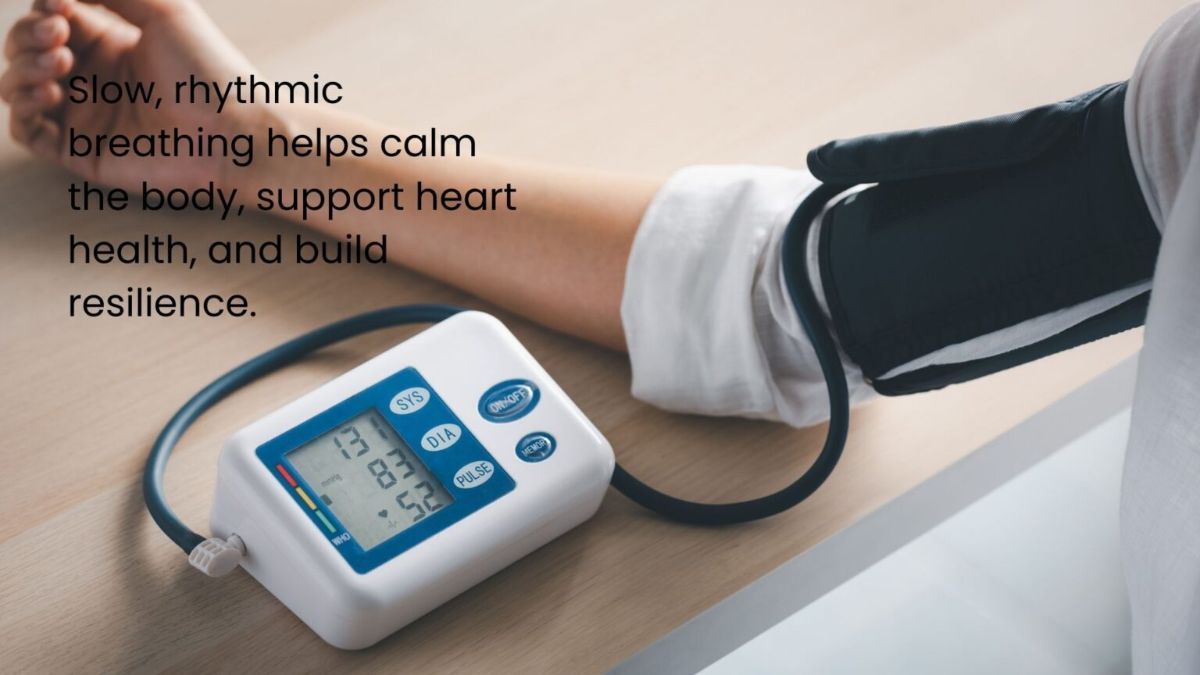
In an age of constant stress, digital overload, and unending multitasking, maintaining a sense of calm and balance can feel nearly impossible. Yet, the answer may lie in something so simple and accessible that most people overlook it — your breath. Among the many breathing methods gaining attention in holistic and medical communities alike, Heart Rate Variability Breathing stands out as a powerful, science-backed approach for improving physical, emotional, and mental well-being.
This practice bridges the gap between mind and body, giving you control over how your nervous system responds to stress. More importantly, it’s easy to learn and profoundly effective, helping you harness your body’s natural rhythm to promote health and resilience.
What Is Heart Rate Variability?
Before diving into the breathing method itself, it’s important to understand what heart rate variability (HRV) means. Contrary to what many believe, a perfectly steady heartbeat isn’t a sign of health. In fact, a healthy heart has slight variations between beats — a sign that your body can adapt quickly to internal and external stressors.
This variation is known as heart rate variability.
When HRV is high, it means your autonomic nervous system — the part of your body that regulates involuntary functions like breathing and heartbeat — is flexible and adaptive. You can handle stress better, recover faster, and feel more emotionally stable.
When HRV is low, it suggests rigidity. The body struggles to switch between states of activity and rest, making you more prone to anxiety, fatigue, and poor sleep.
The Science Behind Breathing and HRV
Your breathing pattern has a direct influence on HRV. Every inhale and exhale communicates with your nervous system, signaling whether it’s time to energize or relax. By learning to control your breath consciously, you can actually “train” your heart rhythm — bringing coherence between your heart and brain.
This is where Heart Rate Variability Breathing comes in. It’s a technique that focuses on slow, intentional breathing to bring balance to the two branches of your autonomic nervous system:
The sympathetic nervous system, which activates the “fight or flight” response.
The parasympathetic nervous system, responsible for “rest and digest” recovery.
When these two systems work in harmony, your HRV improves, and you experience calm alertness — the ideal state for emotional stability and physical health.
Why HRV Breathing Matters More Than Ever
Modern life constantly stimulates the sympathetic system — long work hours, screens, deadlines, caffeine, and endless notifications. The body rarely gets the chance to reset. Over time, this imbalance can lead to chronic stress, insomnia, and weakened immunity.
HRV breathing acts as a reset button for your entire nervous system. With each controlled breath, you send a signal of safety and calm to the brain, which lowers stress hormones like cortisol and enhances the flow of restorative neurotransmitters such as serotonin and dopamine.
In essence, HRV breathing teaches your body to switch off the alarm system and return to balance — something few modern therapies can accomplish so naturally.
How to Practice Heart Rate Variability Breathing
One of the best things about HRV breathing is its simplicity. It doesn’t require special equipment or a complex routine — just consistency and mindfulness.
Step-by-Step Guide:
Find a quiet, comfortable spot. Sit upright with your shoulders relaxed.
Breathe in slowly through your nose for 5 seconds. Feel your abdomen expand, not your chest.
Exhale gently through your mouth for 5–6 seconds. Try to make your exhale slightly longer than your inhale.
Focus on the rhythm. Imagine your breath syncing with your heartbeat.
Continue for 5–10 minutes.
Practicing this daily helps strengthen the mind-body connection and trains your system to remain calm even in stressful situations.
The Physiological Benefits of HRV Breathing
The impact of this simple technique extends far beyond relaxation. Research shows that controlled breathing improves numerous aspects of physical health by directly influencing the cardiovascular and endocrine systems.
Improves Heart Function
As the name suggests, Heart Rate Variability Breathing promotes better cardiovascular health. The gentle oscillations in heart rhythm during slow breathing enhance circulation, reduce arterial stiffness, and stabilize blood pressure.
Balances Hormones
By calming the nervous system, HRV breathing helps regulate hormones like cortisol, insulin, and adrenaline. It creates an environment for better hormonal balance, essential for energy, mood stability, and longevity.
Boosts Immune Function
Chronic stress weakens immune defenses. HRV breathing strengthens the parasympathetic system, allowing your body to allocate more energy to immune repair and cellular healing.
Enhances Sleep
Practicing HRV breathing before bedtime helps your body transition from alertness to relaxation, making it easier to fall asleep and stay asleep. The slow rhythm signals your brain that it’s time to unwind.
The Mental and Emotional Benefits
Breath is the bridge between body and mind. As you consciously regulate your breathing, the brain’s emotional centers begin to synchronize with your physiological state, leading to improved emotional control and mental clarity.
Reduces Anxiety and Depression
By stimulating the vagus nerve, HRV breathing lowers the body’s stress response. This results in fewer anxiety spikes and greater emotional stability. Over time, it helps break cycles of chronic tension and mental overwhelm.
Enhances Focus and Cognitive Performance
A calm nervous system supports a sharp mind. HRV breathing improves oxygen flow to the brain, especially the prefrontal cortex — responsible for focus, decision-making, and memory.
Builds Emotional Resilience
Instead of reacting impulsively to stress, HRV breathing trains you to respond mindfully. This emotional flexibility becomes a skill that supports healthier relationships, work performance, and personal well-being.
The Science of Coherence: Heart and Brain Connection
When breathing becomes rhythmic, the heart’s variability patterns smooth out, creating what researchers call physiological coherence. In this state, the heart and brain operate in sync, improving communication between the emotional and rational centers of the brain.
This is why HRV breathing has been associated with enhanced creativity, empathy, and even better problem-solving skills. When your physiology is coherent, your emotions follow suit — steady, balanced, and grounded.
For an in-depth exploration of this mind-body connection, you can learn more through Heart Rate Variability Breathing, where the science behind this transformative practice is further explained.
How to Incorporate HRV Breathing Into Your Lifestyle
Consistency is key to seeing results. Fortunately, this practice is flexible — it can be integrated into any part of your day.
Morning Clarity
Start your day with five minutes of HRV breathing to center your mind and energize your body. It’s a great alternative to immediately checking your phone or emails.
Midday Reset
When stress peaks or focus wanes, use HRV breathing to refresh your system. Even two minutes can bring you back into alignment.
Pre-Sleep Ritual
End your day with slow, mindful breathing to calm the body and release tension. This improves sleep quality and allows your nervous system to reset overnight.
Combining HRV Breathing With Mindfulness
Pairing HRV breathing with mindfulness amplifies its benefits. As you breathe, focus your awareness on the sensations of air entering and leaving your body. Notice the subtle changes in your heart rhythm and emotions.
This active attention strengthens the connection between conscious awareness and automatic body functions — a key principle of holistic healing and self-regulation.
The Role of HRV in Longevity and Resilience
High heart rate variability is one of the strongest predictors of longevity and adaptability. People with strong HRV patterns tend to recover more quickly from illness, perform better under pressure, and experience greater emotional stability.
By improving HRV through breathwork, you’re not just calming yourself in the moment — you’re training your body to thrive long-term.
In a sense, HRV breathing becomes a daily investment in your future well-being.
A Holistic Tool for Modern Life
Heart Rate Variability Breathing aligns perfectly with the philosophy of naturopathic and integrative medicine — empowering the body’s innate ability to heal and self-regulate. It requires no medication, equipment, or external tools. All it takes is awareness and consistency.
The modern world might be noisy, fast, and demanding, but your breath remains a constant — a tool always within reach to restore calm and resilience.
Final Thoughts
In a culture obsessed with productivity and performance, we often forget that our greatest source of power lies within. HRV breathing is not about controlling life’s chaos but mastering your response to it. Through a few minutes of intentional breathing each day, you can transform your body’s relationship with stress, enhance mental clarity, and strengthen your heart from the inside out.
This isn’t just a relaxation technique — it’s a physiological reset, a practice that reconnects you with your body’s natural rhythm and intelligence.
So take a deep breath. Your heart — and your health — will thank you for it.