The Hidden Power of Probiotics and Immune Health: How Your Gut Shapes Your Body’s Defense
Your immune system starts in your gut. Discover how balancing your microbiome through Probiotics and Immune Health can strengthen immunity, reduce inflammation, and improve overall wellness. Learn the science behind probiotics and explore Dr. Alisha Bhatia’s naturopathic approach to rebuilding health naturally—from the inside out.
Your immune system is your body’s natural security force—constantly working to protect you from bacteria, viruses, and toxins. But what if the real command center of this force isn’t your bloodstream or lymph nodes… but your gut?
Modern science has uncovered something remarkable: the majority of your immune system is rooted in your digestive tract. And the key to optimizing it lies in one word that’s changing how we think about health—probiotics.
Let’s dive deep into the fascinating relationship between your gut bacteria and your immunity, and how understanding Probiotics and Immune Health can completely transform your well-being from the inside out.
The Gut: The Body’s True Immune Headquarters
About 70% of your immune system resides in your gut, specifically within an intricate network of immune cells and microbes known as the gut-associated lymphoid tissue (GALT).
Here’s how it works: every time you eat, your digestive system doesn’t just process nutrients—it also encounters countless microbes. The GALT acts as your internal customs checkpoint, allowing beneficial compounds in while keeping pathogens out.
When your gut microbiome—the ecosystem of bacteria, fungi, and other microorganisms—is balanced, this immune training system operates seamlessly. But when that balance tips due to poor diet, antibiotics, or chronic stress, your body becomes more vulnerable to inflammation, infection, and autoimmune reactions.
That’s where probiotics step in to restore harmony.
What Are Probiotics and Why Are They Essential?
Probiotics are live, beneficial microorganisms that naturally inhabit your gut. They help maintain a healthy microbial balance, improve digestion, and most importantly, regulate immune activity.
You can think of probiotics as the peacekeepers of your microbiome. They help prevent harmful bacteria from taking over, produce essential nutrients like B vitamins and vitamin K, and even communicate with your immune cells to fine-tune their response.
The link between Probiotics and Immune Health is more than a trend—it’s a scientifically proven, biological necessity.
How Probiotics Strengthen the Immune System
1. Fortifying the Gut Barrier
Your intestinal wall acts like a fortress gate. When functioning properly, it blocks harmful pathogens while allowing nutrients through. But poor diet, alcohol, and stress can weaken this barrier, leading to “leaky gut,” where toxins seep into the bloodstream and trigger immune overreactions.
Probiotics reinforce the gut lining by producing short-chain fatty acids (SCFAs), which strengthen intestinal cells and prevent inflammation.
2. Enhancing Immune Training
Probiotics interact directly with immune cells in the gut, teaching them how to recognize real threats while ignoring harmless substances. This helps prevent excessive immune responses like allergies or autoimmune disorders.
3. Boosting Antibody Production
Probiotics can increase levels of immunoglobulin A (IgA)—a crucial antibody that protects mucous membranes and neutralizes pathogens before they cause illness.
4. Regulating Inflammation
Certain strains of probiotics reduce the production of inflammatory cytokines, helping maintain balance in the immune system. Less chronic inflammation means lower risk of diseases such as diabetes, arthritis, and heart disease.
The Best Probiotic Strains for Immune Support
Different strains of probiotics provide different benefits. Here are the most researched for immunity:
Lactobacillus rhamnosus GG – Strengthens intestinal barrier and reduces respiratory infections.
Bifidobacterium longum – Calms inflammation and supports stress-related immune weakness.
Saccharomyces boulardii – A yeast probiotic that prevents gut infections and supports recovery from antibiotic use.
Lactobacillus plantarum – Boosts antioxidant protection and strengthens gut wall integrity.
Bifidobacterium bifidum – Helps regulate immune balance, especially after illness or stress.
A combination of these strains can give your immune system the broadest, most effective support.
Probiotics and Nutrition: Feed Your Good Bacteria
Probiotics are living organisms—they need nourishment to thrive. That’s where prebiotics come in.
Prebiotics are types of dietary fiber that serve as fuel for beneficial bacteria. Foods rich in prebiotics include:
Garlic, onions, and leeks
Asparagus and artichokes
Bananas and apples
Oats and barley
When probiotics (good bacteria) and prebiotics (their food) work together, they form a powerful synergy called synbiotics—a balanced system that supports both digestive and immune health.
The Gut-Brain-Immune Connection
Your gut isn’t just linked to your immune system—it’s also directly connected to your brain through the vagus nerve. This communication system, often called the gut-brain axis, explains why chronic stress can lead to digestive problems and weakened immunity.
Probiotics help regulate this connection by lowering stress-induced inflammation and balancing neurotransmitters like serotonin. A healthier gut means a calmer mind—and a stronger immune response.
Lifestyle Habits That Support Gut and Immune Health
Even the best probiotics can’t work in isolation. To maximize their benefits, your daily habits must also support your microbiome.
1. Eat a Diverse, Whole-Food Diet
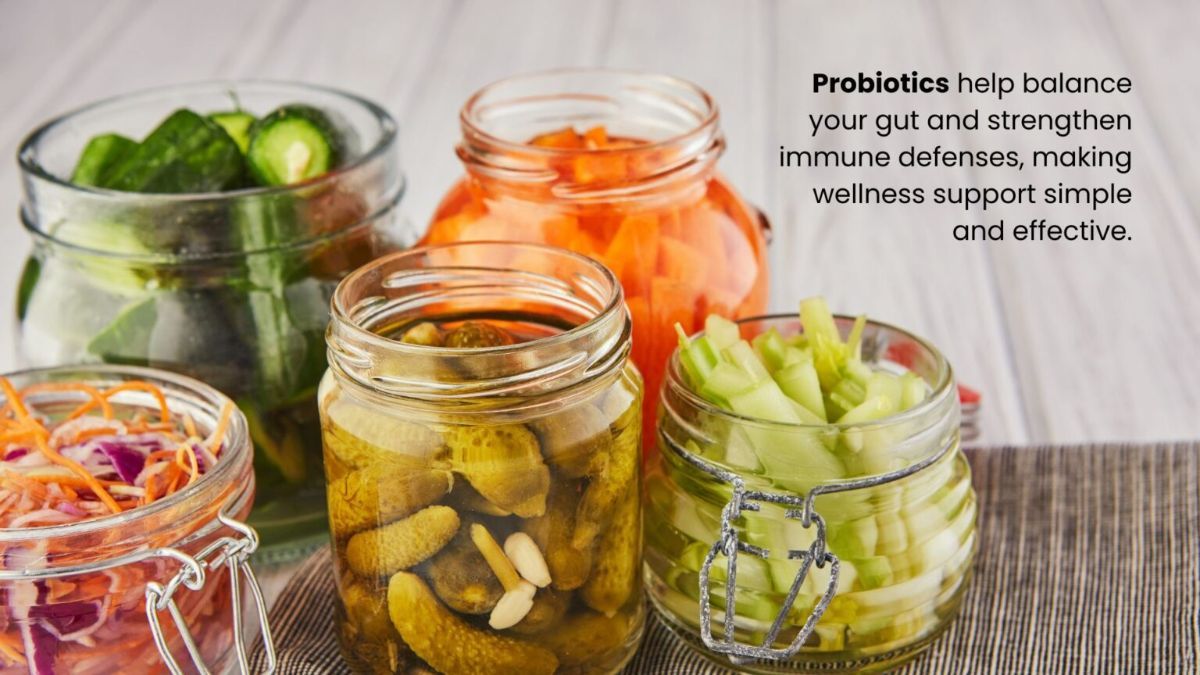
Include a variety of fruits, vegetables, and fermented foods like sauerkraut, kimchi, kefir, and yogurt. These naturally introduce beneficial microbes and nutrients that sustain your gut flora.
2. Stay Hydrated
Water aids digestion and helps transport nutrients throughout the body, ensuring the gut environment remains balanced.
3. Sleep Deeply
During sleep, your body repairs tissues and strengthens immune memory. Lack of rest can disrupt microbial balance and increase inflammation.
4. Move Regularly
Exercise boosts circulation to the gut and encourages microbial diversity. Moderate activity like walking or yoga can significantly improve immune function.
5. Manage Stress
Chronic stress releases cortisol, which weakens the gut barrier and promotes harmful bacterial growth. Deep breathing, journaling, or meditation can help reset your body’s balance.
The Evidence: What Science Says About Probiotics and Immunity
Multiple clinical trials have demonstrated that daily probiotic use can enhance immune performance:
Cold and Flu Prevention: A study published in the British Journal of Nutrition found that children taking probiotics had 40% fewer respiratory infections.
Post-Antibiotic Recovery: Adults supplementing with probiotics after antibiotic therapy recovered normal gut flora faster and experienced fewer side effects.
Allergy Relief: Certain probiotic strains reduced allergy symptoms by modulating immune response.
Stress Immunity: Regular probiotic use in students under stress improved antibody levels and reduced illness frequency.
These findings prove that a balanced gut isn’t just about digestion—it’s about whole-body defense.
Personalized Care: The Naturopathic Approach
No two microbiomes are identical. That’s why naturopathic doctors emphasize individualized probiotic therapy tailored to your specific health needs.
Dr. Alisha Bhatia, ND, specializes in integrative care that focuses on the root cause of imbalance. Through personalized gut assessments, nutritional guidance, and clinical-grade probiotic recommendations, her approach empowers patients to rebuild immunity from within.
If you want to understand your unique microbiome and how to support it naturally, exploring Probiotics and Immune Health can be your first step toward better vitality and long-term wellness.
Building Lasting Immunity: A Daily Routine
To make probiotic support part of your everyday life, consider this simple plan:
Morning: Start your day with probiotic-rich yogurt or kefir.
Midday: Eat fiber-rich foods like salads or oats for prebiotic fuel.
Evening: Take a quality probiotic supplement if recommended by your practitioner.
Night: Practice mindfulness to lower stress before bed.
Over time, these small habits cultivate a resilient microbiome that protects your body from the inside out.
The Takeaway: Your Health Starts in the Gut
Your immune system isn’t a standalone structure—it’s a reflection of the harmony within your gut. When your microbiome thrives, so does your immunity, your mood, and your energy.
By understanding and applying the science of Probiotics and Immune Health, you’re not just avoiding illness—you’re building a foundation of strength, balance, and vitality that will serve you for life.
Because true wellness doesn’t begin at the pharmacy. It begins in your gut.