The Unspoken Connection: Understanding Finasteride and Mental Health
Finasteride’s benefits for hair and prostate health are clear — but its influence on mood and brain chemistry raises important questions. This article explores the complex link between finasteride use and mental health, emphasizing awareness, safe practices, and the need for open dialogue between patients and healthcare providers.
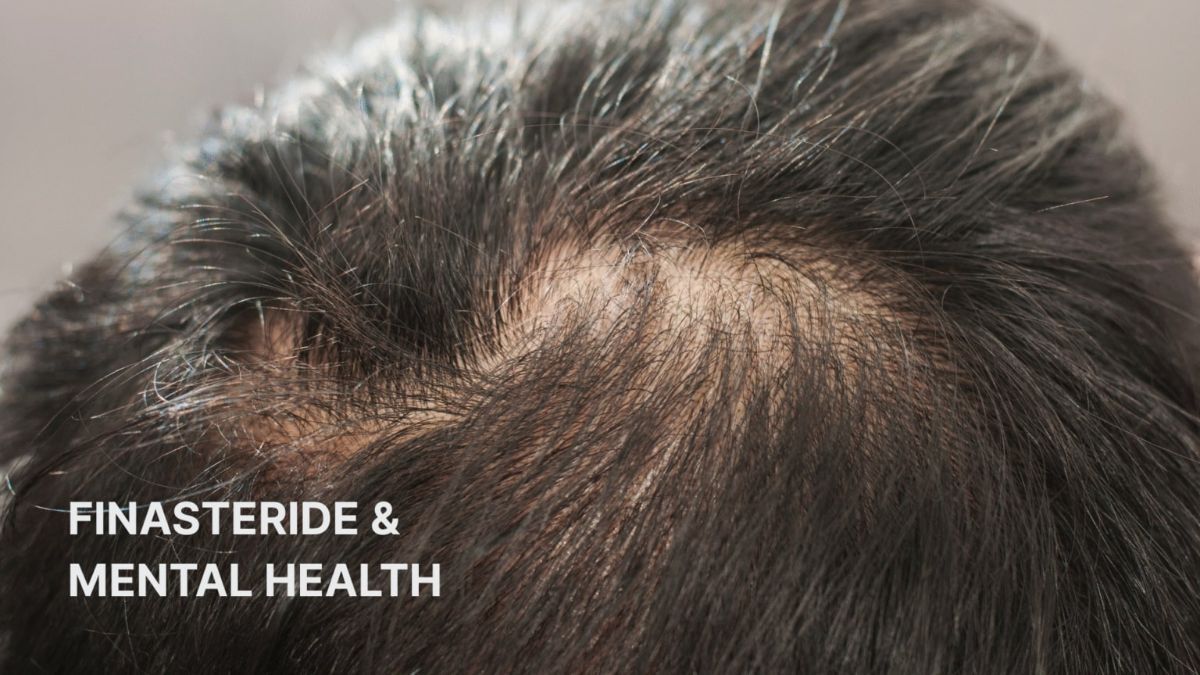
Finasteride, widely recognized for treating male pattern baldness and benign prostatic hyperplasia (BPH), has become a staple in men’s health. Yet beneath its benefits lies a growing concern that continues to spark conversation in medical circles — its potential link to mood changes, depression, and even suicidal thoughts. Exploring the relationship between Finasteride and Mental Health reveals a critical, often-overlooked conversation about how hormonal medications can influence not just the body, but the mind.
What is Finasteride?
Finasteride belongs to a class of drugs known as 5-alpha reductase inhibitors. Its main role is to block the conversion of testosterone into dihydrotestosterone (DHT), a potent hormone responsible for shrinking hair follicles and enlarging the prostate.
While this mechanism helps men combat hair loss or manage prostate growth, it also interferes with a hormone system that’s deeply intertwined with mood regulation and brain function. Hormones like testosterone and DHT influence neurotransmitters — the brain’s chemical messengers that control emotions, motivation, and energy levels.
How Finasteride Works in the Body
Finasteride targets the enzyme 5-alpha reductase, particularly Type II, which is abundant in hair follicles and prostate tissue. When this enzyme is blocked, DHT levels drop significantly — often by as much as 70%.
This drop can bring visible results, such as thicker hair and a smaller prostate, but it can also disrupt hormonal equilibrium. For some individuals, this imbalance may lead to mood disturbances, anxiety, or cognitive sluggishness.
Researchers have noted that this hormonal shift might affect brain regions like the limbic system and prefrontal cortex — both critical to emotional stability.
The Psychological Side Effects
Emerging Evidence
Clinical reports and patient testimonies have highlighted an unsettling pattern: some men experience depression, anxiety, or emotional blunting while taking finasteride. A subset of these individuals continues to experience symptoms even after discontinuing the medication — a condition known as Post-Finasteride Syndrome (PFS).
While not universally accepted in the medical community, studies suggest that for a small percentage of users, the mental effects can be long-lasting and life-altering. Symptoms often include:
Persistent fatigue or lack of motivation
Depression or emotional detachment
Memory problems
Sexual dysfunction paired with psychological distress
Anxiety or suicidal ideation
Understanding Hormonal and Neurological Impact
The Role of Neurosteroids
One leading theory focuses on neurosteroids, brain chemicals synthesized from hormones like testosterone. These neurosteroids — particularly allopregnanolone — have a calming effect on the nervous system and play a vital role in mood regulation.
When finasteride blocks 5-alpha reductase, it also reduces the production of allopregnanolone. Lower levels of this neurosteroid can lead to heightened stress responses, anxiety, and mood instability.
Brain Chemistry Disruption
Finasteride’s interference with DHT and neurosteroid pathways can affect the balance of neurotransmitters such as serotonin, dopamine, and GABA. These chemicals are essential for emotional well-being, motivation, and sleep regulation.
This biochemical interference might explain why some users report depressive symptoms even in the absence of other stress factors.
Clinical Research and Patient Reports
Although the overall risk appears low, research has shown consistent patterns among affected individuals. For instance:
A 2012 study in the Journal of Clinical Psychiatry found that men who discontinued finasteride after experiencing sexual side effects also reported higher rates of depressive symptoms and anxiety.
A 2020 systematic review indicated that finasteride users were more likely to experience psychological distress compared to those on placebo.
Post-marketing surveillance data revealed that a subset of patients exhibited suicidal thoughts, particularly younger men using finasteride for hair loss rather than prostate issues.
These findings emphasize the need for careful patient screening and ongoing monitoring during finasteride treatment.
The Emotional Weight of Hair Loss
Beyond Biology
Hair loss itself can have a profound psychological impact. For many men, thinning hair is not just a cosmetic concern — it’s tied to self-esteem, aging, and identity.
When medications like finasteride offer hope, the emotional stakes become even higher. Experiencing mood changes or mental distress while trying to restore confidence can feel deeply unfair and confusing.
This creates a complex psychological loop: the medication intended to improve self-image may inadvertently contribute to emotional struggles.
The Need for Emotional Support
Physicians and patients alike must recognize that hair loss treatments often carry emotional dimensions. Support from mental health professionals, open doctor-patient communication, and self-awareness can make a significant difference.
Safe Use and Monitoring
Steps to Minimize Risk
Start with a thorough evaluation. Before beginning finasteride, discuss your mental health history with your doctor.
Monitor for changes. Keep track of emotional shifts, sleep quality, or energy fluctuations.
Involve a support system. Family members or close friends can often notice subtle behavioral changes that you might overlook.
Avoid abrupt discontinuation. Stopping finasteride suddenly may worsen symptoms in some individuals. Always consult your doctor first.
Prioritize nutrition and lifestyle. A balanced diet, regular exercise, and sufficient rest can help stabilize mood and hormone balance.
Alternatives and Adjunct Therapies
For individuals who experience negative effects, alternatives exist. Topical treatments, low-level laser therapy, and natural DHT blockers such as saw palmetto can be considered.
Integrative practitioners may also explore hormonal support therapies that help maintain balance without drastically altering neurochemical pathways.
Dr. Alisha Bhatia, ND, for example, emphasizes a holistic approach to hormonal care — one that considers the body’s interconnected systems rather than treating symptoms in isolation. This type of perspective can be valuable when navigating complex issues like finasteride-related side effects.
Breaking the Silence Around Men’s Mental Health
Why Open Dialogue Matters
For too long, men’s mental health has been an under-discussed topic, often overshadowed by societal expectations of strength and emotional control. Finasteride’s potential effects highlight the importance of breaking that silence.
Encouraging men to speak openly about depression, anxiety, or emotional changes is not a sign of weakness — it’s a critical step toward understanding how medical treatments affect mental well-being.
Removing Stigma
By normalizing discussions around side effects and mental health, we empower individuals to seek help sooner and prevent crises from escalating. Physicians and patients must collaborate to ensure emotional safety alongside physical results.
The Future of Research
As awareness grows, researchers are digging deeper into the neurochemical interactions between finasteride and brain function. Advances in neuroendocrinology and pharmacogenomics may soon help identify which individuals are more vulnerable to these side effects.
Future treatment models could combine precision medicine with psychological care — ensuring patients benefit from hair restoration without compromising their mental health.
Conclusion: Balancing Benefit and Risk
Finasteride remains an effective medication for hair loss and prostate management. However, understanding its broader impact — especially concerning mental health — is crucial for making informed choices.
The link between Finasteride and Mental Health isn’t about fear; it’s about awareness. Knowing how the medication works, what signs to watch for, and when to seek help allows users to take control of both their physical and emotional well-being.
By fostering open communication between patients and healthcare professionals, we can ensure that finasteride continues to serve its purpose safely — without ignoring the silent side effects that deserve our attention.